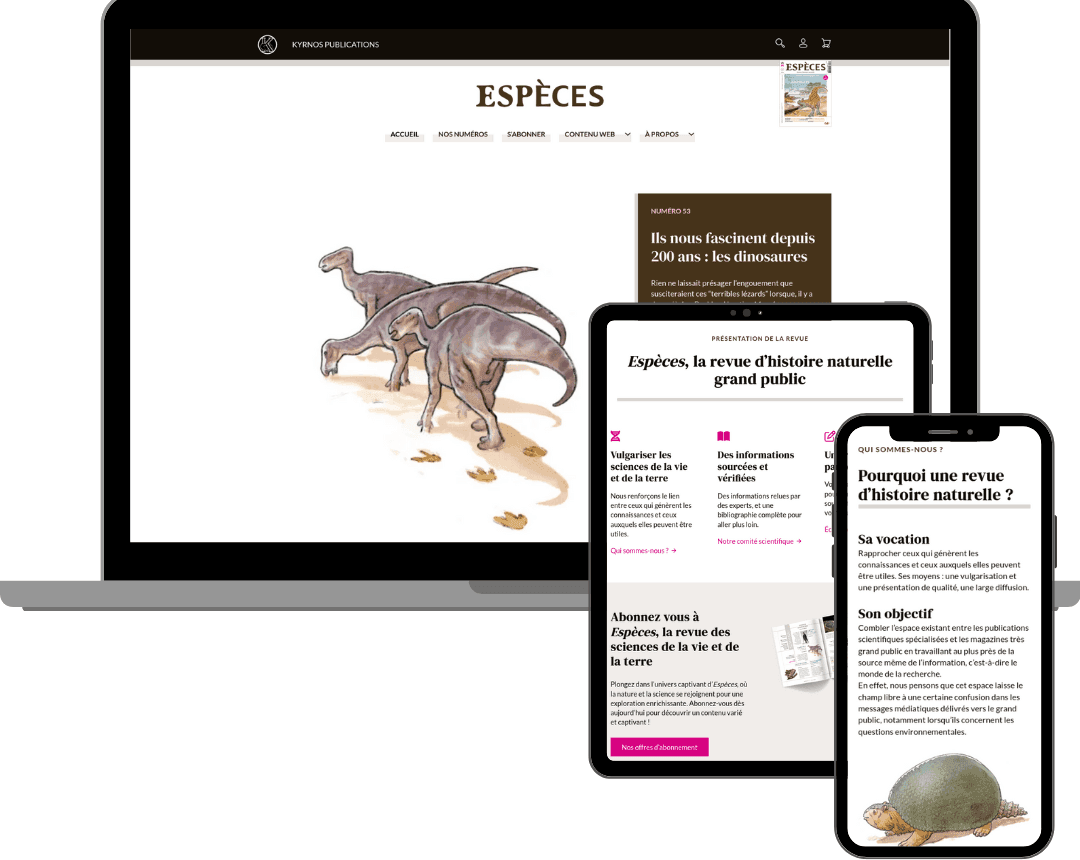
Presentation of the journal Espèces
Espèces is a popular science magazine on natural sciences that has been in existence since 2011.
Its objective is to “bridge the gap between specialised scientific publications and mainstream magazines by working as closely as possible with the source of the information itself, namely the world of research.”
With more than fifty quarterly issues published since its creation, Espèces has carved out a place for itself in the sphere of French-language naturalist journals.
Why a redesign?
It all began with a hacking attack on the website in the spring of 2024.
Overnight, the site was transformed into a blank page with a simple form redirecting users to another site.
All in all, it was a fairly typical hack, but one that had a significant impact on the magazine, blocking its readers’ access to digital content and causing it to lose revenue every day.
The restoration and securing of the site made it possible to understand how this could have happened:
- poor server maintenance
- updates not performed for months for certain extensions
- poor monitoring and overly fragile backup policy
The analysis of the site also revealed the complexity of managing its content and architecture.
Other issues had long been waiting to be addressed, such as the difficulty readers encountered in comfortably reading their magazine in digital format.
After putting the site back online, we decided on a complete overhaul based on sound and solid foundations.
Features and objectives achieved
Redesigning a website is an opportunity to rethink and optimise everything.
We therefore took the opportunity to review the following aspects:
- improved site map structure
- aesthetic changes to better match the look of the magazine (in particular by streamlining the colour palette)
- requirements in terms of functionality and task automation
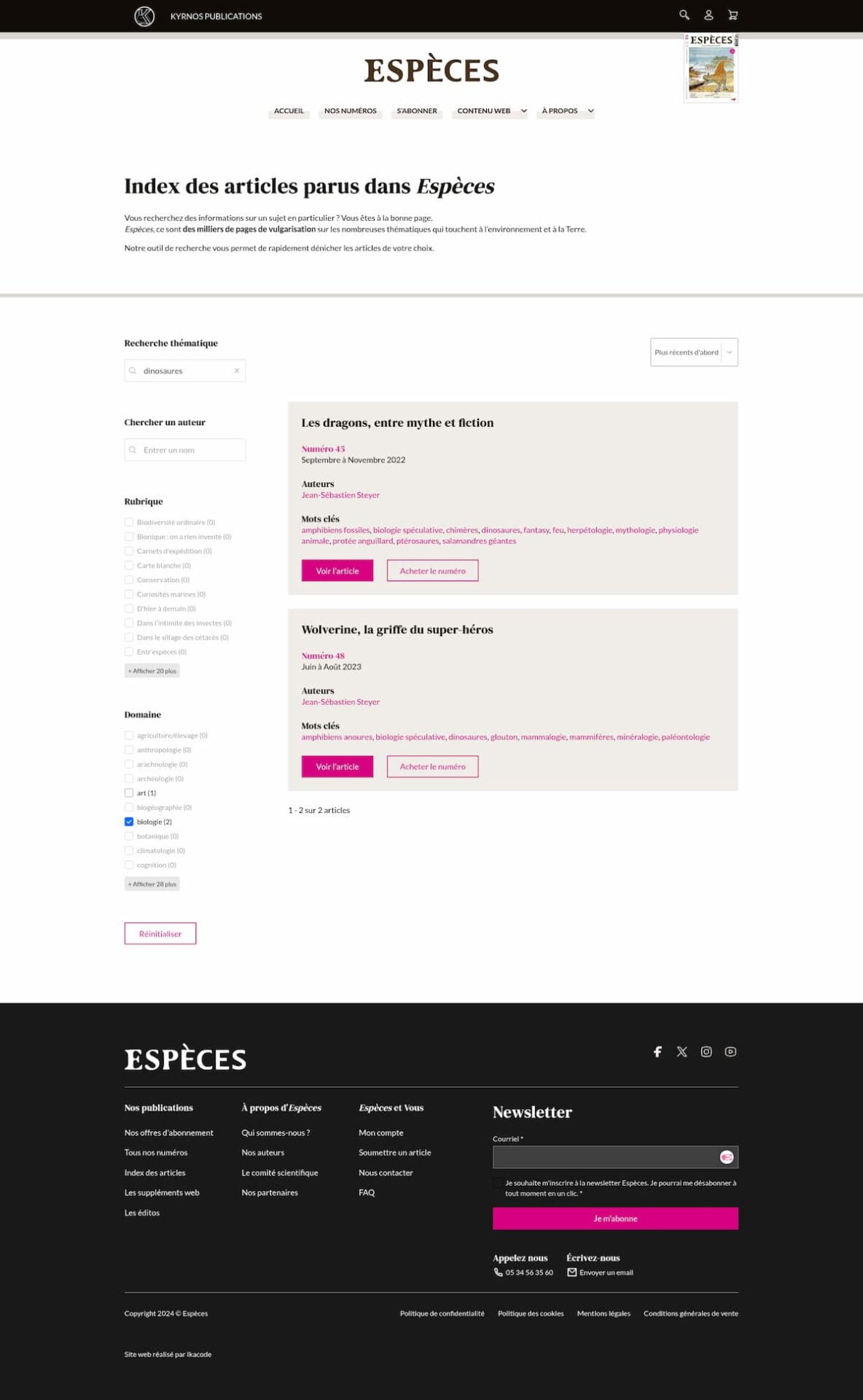
Creating a filterable index
A major addition requested by Espèces was the index. Since its launch, more than 700 articles had been published in the print magazine. We digitised this index on the website and set up multiple filtering and search criteria to enable readers to quickly find which issue and pages contained articles on a particular topic.
Converting content to Gutenberg
The old Espèces website contained over a hundred editorials, articles and supplements built in a page builder.
This is very bad practice. A page builder is used to build… pages! Content rendered dynamically on a site, such as blog posts or author pages, should use the native WordPress editor so that it can be easily modified or transferred in the future.
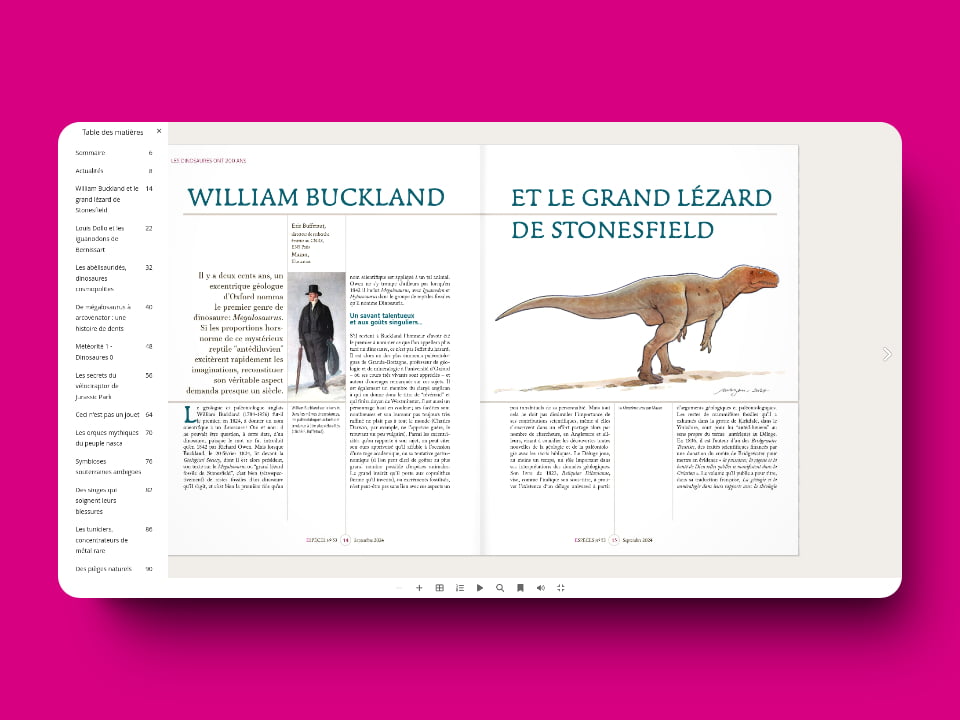
Installation of an advanced PDF reader system
The old site already used a solution to allow subscribers to read issues online.
However, numerous complaints were received, particularly because this solution was difficult to use on mobile devices.
A new professional system was used, which also optimised display performance, created tables of contents and clickable links, and even secured access to files.
Granular and simplified management of member access
The journal’s website required a new system to manage the rights and access of each subscriber to the journal. The following factors had to be taken into account:
- the type of subscription (print, digital, print + digital combo) and its duration
- purchases of issues in digital format for online reading per issue
- creation of a dynamically created library for digital subscribers
- end-of-subscription reminder emails sent automatically to customers
A benchmark of market solutions was carried out to determine which one best suited the journal’s needs.
Its implementation and data migration enabled a smooth transition to the new system.
Hundreds of new optimised pages
New types of dynamic content have been created and linked together to provide a better experience for website users.
All new content has been optimised for search engine optimisation. In total, nearly 1,500 pages were indexed in Google when the site went live, whereas the original site only had a few hundred.
Great care was taken to redirect old URLs to new ones when page names were changed.
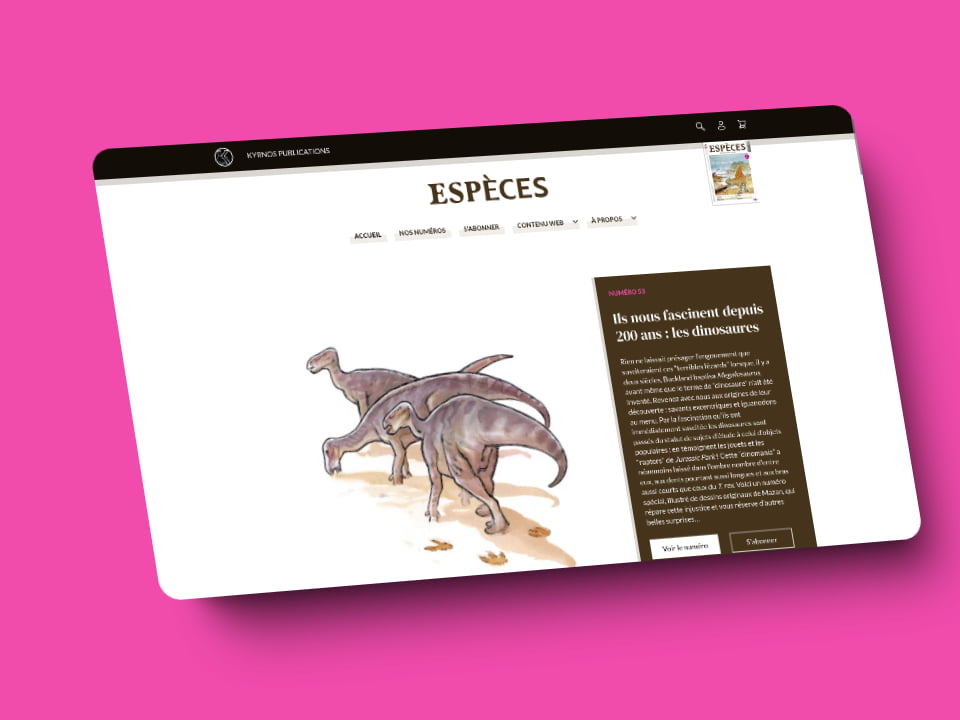
The result in pictures
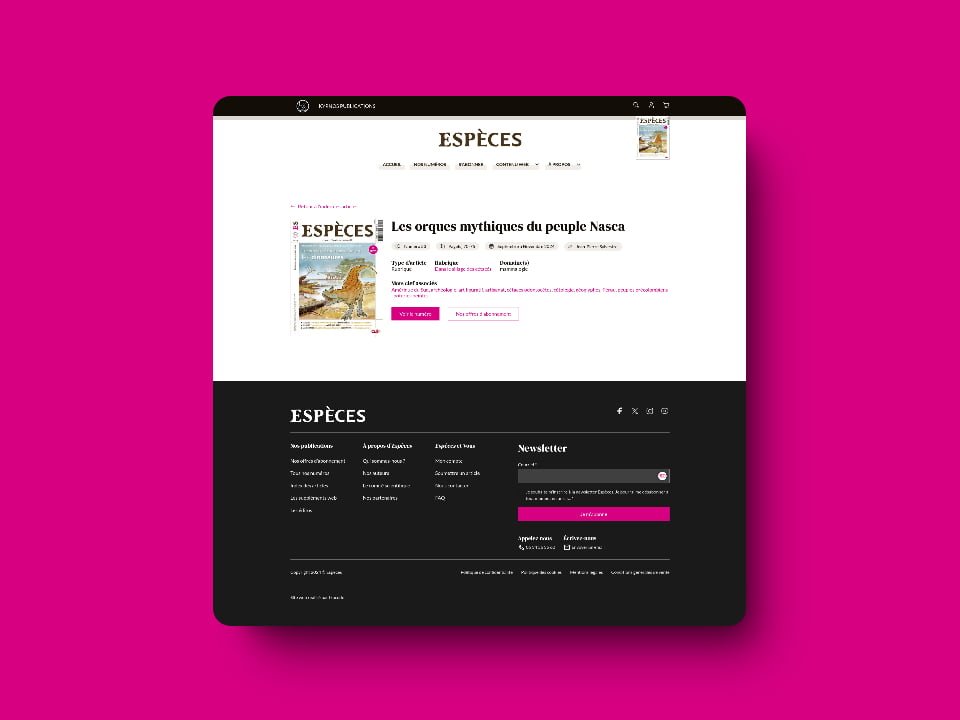
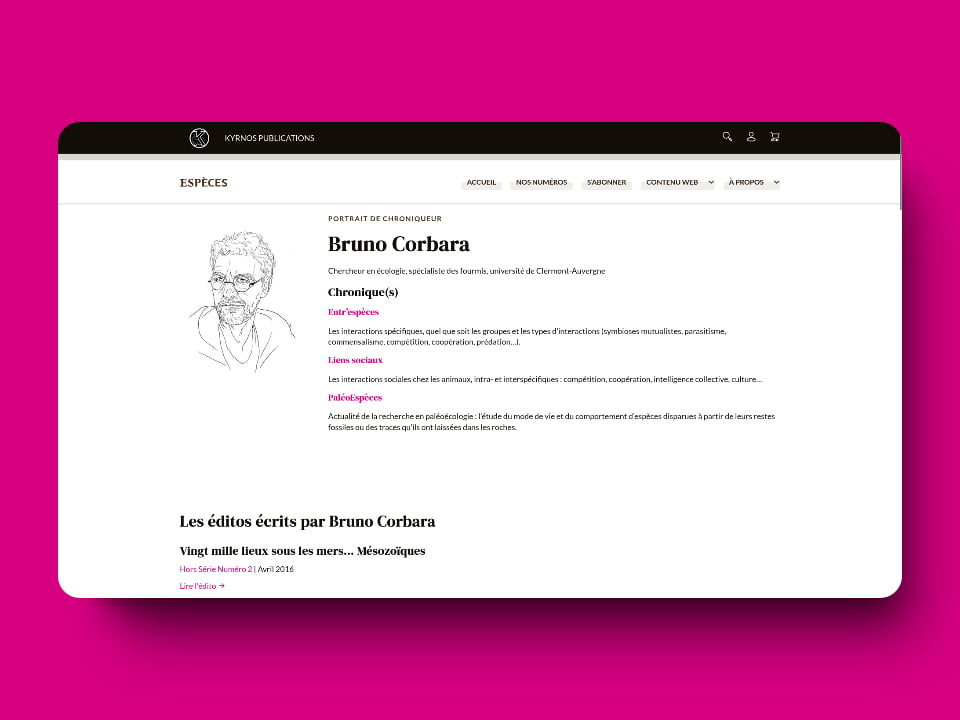
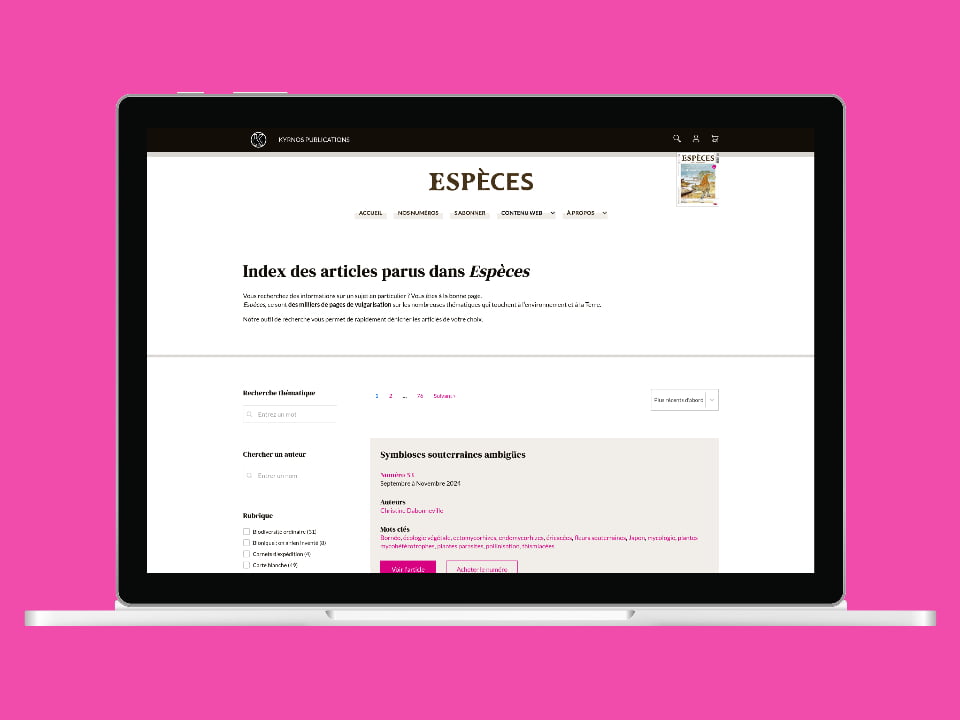
Performance analysis
The site is hosted on our servers and performs very well thanks to the advanced optimisations we have implemented: cache, CDN, new-generation image formats, code optimisation, etc.
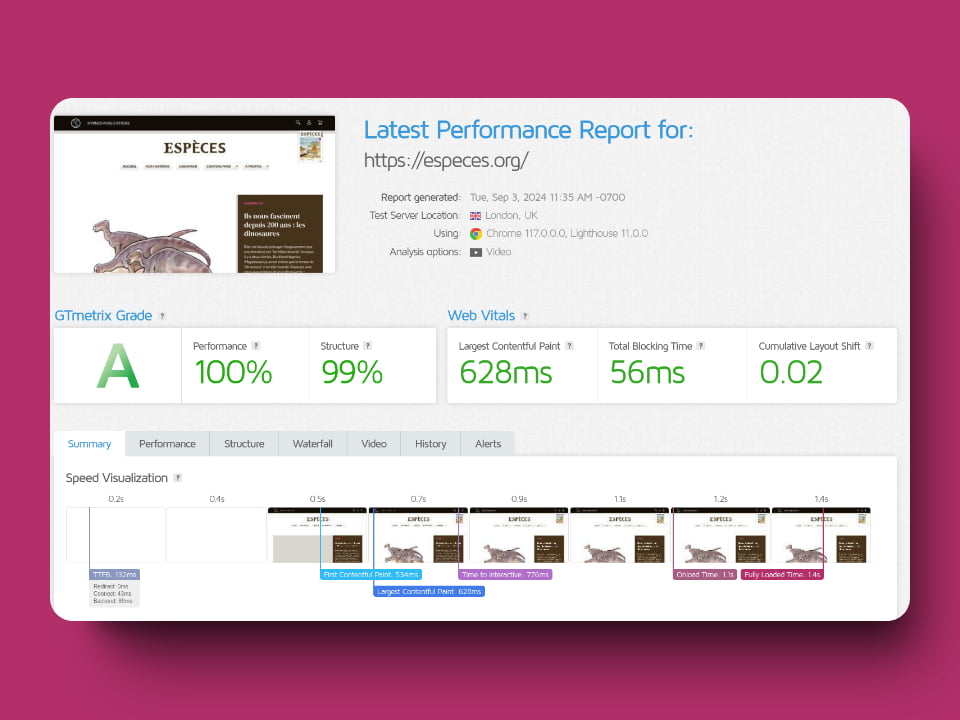
Very positive performance test carried out using the GTMetrix tool. Report available here.
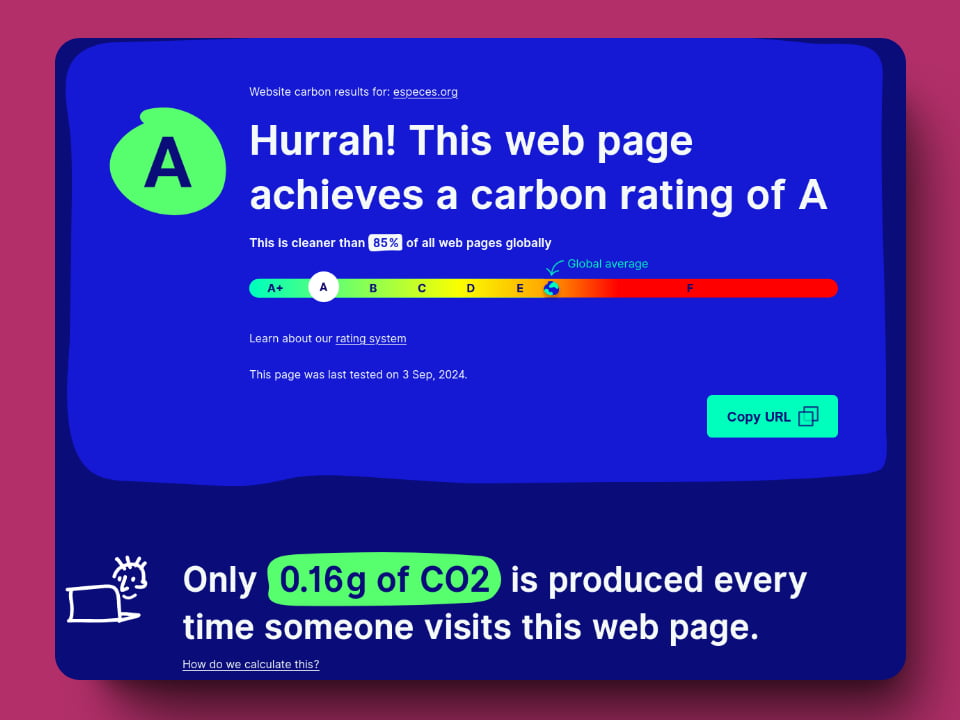
Testing of the website’s carbon footprint according to Website Carbon. Detailed audit available via this link.
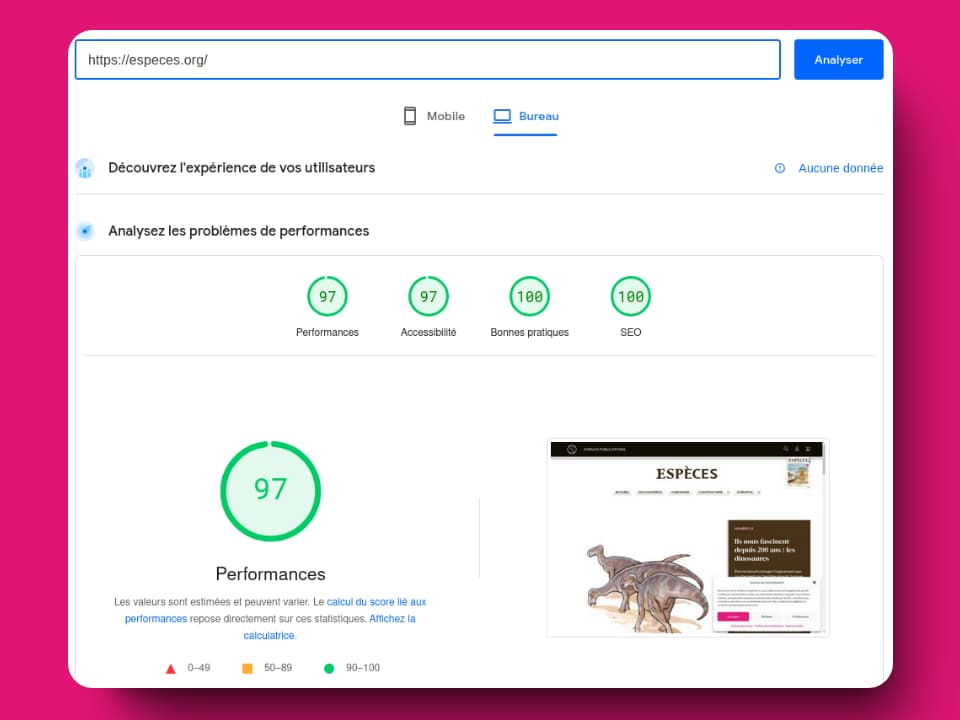
Performance audit / Accessibility / Best practices / SEO via Page Speed Insight. Detailed audit available via this link.